
Bed Bug Heat Treatment in Hamilton:
Whole-Home Elimination in One Visit
Schedule Your Free Estimation
Table of Contents
How Bed Bug Heat Treatment Works
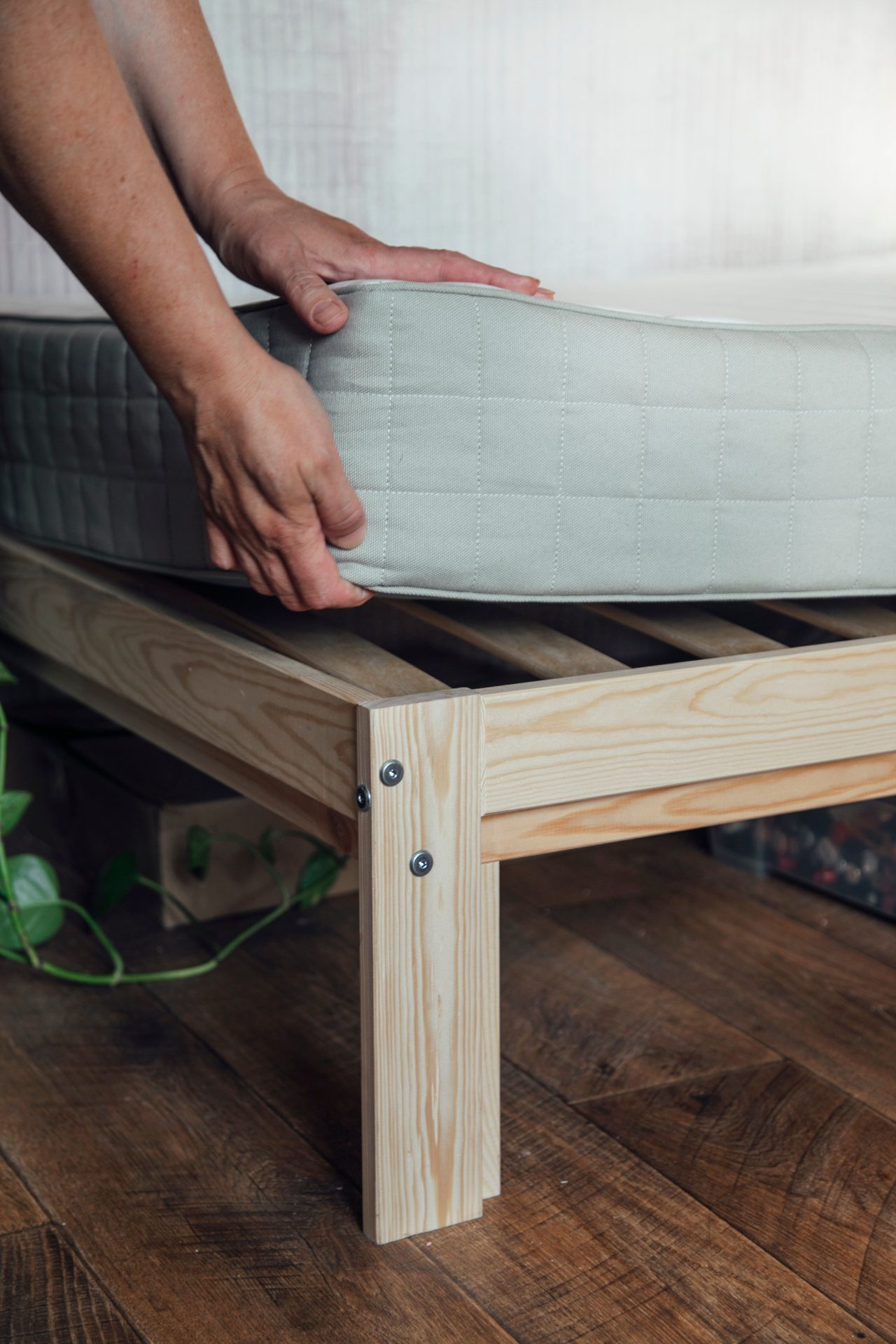
Bed bug heat treatment raises the temperature inside your entire home until every bed bug in it is dead. Adults, nymphs, and eggs all die together in the same 117F to 122F range, and our Heat Assault 500X exceeds 145F. Because nothing survives to hatch, most single-family homes are cleared in one visit rather than a series of return appointments. You come home the same evening to a treated house with no sprays and no residue. Call (905) 577-3914 to book a free inspection and written quote.
Why Heat Beats Chemical Treatment
Chemical treatment cannot kill bed bug eggs. Eggs hatch every five to sixteen days, and the nymphs that emerge avoid chemical residue the same way adults do, which is why spray protocols are built around repeat visits timed to hatch cycles. Every return trip is an attempt to catch what the last one missed.
Heat removes that problem entirely. Every life stage dies in the same cycle, so there is nothing left to hatch.
Resistance widens the gap further. Research in the Journal of Economic Entomology documents bed bugs developing resistance to commonly used pesticides, and survivors pass that resistance to their offspring. Heat is a physical process. There is no resistance to develop.
The Process, Start to Finish
First call. Reach out by phone or through our online form. We capture home type, size, and what you are seeing.
Free inspection. A licensed technician inspects bedrooms, living rooms, basements, and any reported hot spots, then confirms the full treatment footprint. K-9 detection is available on request.
Written quote and prep plan. You receive an itemized quote stating exactly which spaces are included, plus a preparation checklist built for your home. Heat prep is far lighter than chemical prep. Mostly it is moving furniture off walls, reducing clutter, and removing heat sensitive items. Most clients need a few days to a week, and hands-on prep assistance is available.
Treatment day setup. The Heat Assault 500X and high-flow fans go into place in under an hour. We map the home and position furniture to maximize airflow into closets, wall voids, and behind headboards.
Thermal cycle. Every area comes into the lethal range and holds there. Licensed technicians monitor temperatures room by room for the full treatment, rotating items and checking hard-to-reach spots as the cycle runs.
Verification and return. We confirm temperatures across the whole treatment area before shutdown. You return home that same evening.
A recent three-bedroom Hamilton home showed activity in two bedrooms and the family room couch. Because the whole house was treated in one cycle rather than just the room where bugs were first spotted, there was no activity at either the thirty day or ninety day follow-up.
Who This Is For
We treat single family homes, condos, apartments, and commercial properties across Hamilton and Southern Ontario. Most calls come from:
- Homeowners finding bites, blood spots on sheets, or live bugs after a trip, or after bringing home used or curbside furniture
- Renters who suspect a neighbouring unit is the source
- Landlords and property managers responding to a tenant complaint under the Ontario Residential Tenancies Act, 2006
- Short term rental hosts needing a fast, discreet turnover between bookings
- Commercial operators running hotels, shelters, group homes, or retirement residences
- Families with children, pets, or chemical sensitivities who do not want sprays in the house
- Anyone whose last treatment failed, usually because eggs survived or only one room was treated
- Sellers and movers who need the problem resolved and documented before a listing or a new lease
We are fully discreet. Our technicians have a respectful way of redirecting questions from neighbours without disclosing the nature of the visit.
When Heat Alone Is Not the Full Answer
One visit clears the population inside your home. It does not stop bed bugs from being carried back in afterward. Three situations call for a layered plan: shared walls in multi-unit buildings where a neighbouring unit is an ongoing source, heavy clutter that blocks airflow and needs deeper prep before treatment day, and high-exposure settings like shelters and hotels that take in new introductions constantly and benefit from ongoing monitoring.
We tell you which situation applies at the inspection, before you commit.
Myths and Mistakes
Myth: You only need to treat the bedroom.
The most expensive mistake on this list. Bed bugs spread into couches, baseboards, and adjacent rooms long before you notice them. Spot treatment leaves a reservoir that repopulates the home in weeks, which is why so many people call us after a treatment that “almost worked.”
Myth: Only dirty homes get bed bugs.
Bed bugs feed on blood, not crumbs. They turn up in five star hotels and brand new builds.
Myth: Foggers and bug bombs work.
They do not control bed bugs.They scatter them deeper into walls and outward into adjacent rooms and units, which usually makes the eventual treatment harder and more expensive.
Myth: Throwing out the mattress fixes it.
Bed bugs hide in dozens of other harbourages, and dragging an infested mattress through halls and elevators spreads them. Heat treats it in place, so you keep it.
Myth: Cold Canadian winters kill them indoors.
Indoor harbourages stay warm year round. Bed bugs do not freeze out, and neither do space heaters or steamers reach the sustained core temperatures needed to kill eggs inside walls and furniture.
What to Look for in a Bed Bug Exterminator
Not all heat treatments are equal, and the difference usually shows up in what a company will not put in writing. Before you book anyone, ask for the following.
Licensing and certification. In Ontario, structural exterminators operate under the Pesticides Act, administered by the Ministry of the Environment, Conservation and Parks. Ask for the licence and the structural exterminator class, and confirm both are current. Membership in industry bodies is a reasonable secondary signal, but licensing is the baseline.
Written success criteria. This is the single most useful question you can ask. What target temperature are they holding, for how long, and how will they prove they hit it? A company doing this properly will name a lethal range, describe how they monitor it across the whole treatment area rather than at one thermostat, and tell you how results get verified afterward. Vague answers here are the clearest warning sign there is.
Calibrated commercial equipment. Purpose-built thermal remediation units and industrial fans, not consumer space heaters. Consumer equipment produces surface heat and cannot bring a structure into the lethal range or hold it there, which is exactly how eggs survive inside walls and mattresses.
A realistic prep plan. Prep is what makes one visit work, because heat needs airflow to reach every harbourage. Ask what the checklist actually requires, whether they will walk you through it, and whether hands-on help is available for cluttered or multi-occupant homes. A company that waves off prep is setting up a second appointment.
Insurance and WSIB coverage. Commercial liability and WSIB should be current and verifiable before anyone works in your home.
An itemized quote. No flat rates that ignore home size and severity. The quote should state exactly which rooms are included, because a quote for one bedroom is not a whole-home treatment.
Serving Hamilton and Southern Ontario
Green Thermal Solutions serves Hamilton and communities across the Golden Horseshoe, the Greater Toronto Area, Niagara, Brant, and Waterloo. Same-day and next-day inspection windows are often available in the core service zone. Share your postal code and home size when you call and we will confirm the earliest window and a same-day quote.
What Hamilton Customers Say


Frequently Asked Questions
Book Your Free Inspection
Bed bugs do not go away on their own, and store bought sprays usually make it worse. The faster you call, the faster this is behind you. Call (905) 577-3914 or request your free inspection online, and you’ll get a written quote and a prep plan before anything is booked. One visit treats your whole home and every life stage. Property managers and commercial operators can use the same number to arrange multi-unit scheduling, monitoring agreements, and compliance documentation, or visit our commercial page.
Licensed technicians. Fully discreet. Serving Hamilton and Southern Ontario.